
Why Modern Art Matters Today

Updated: Sep 15, 2025
Art has always been a reflection of society, capturing the essence of its time and culture. In the contemporary era, the role of art has evolved significantly, with modern art taking center stage. This form of artistic expression challenges traditional boundaries and invites viewers to engage with new ideas and perspectives. Understanding why modern art matters today is essential for appreciating its impact on culture, society, and individual creativity.
The Importance of Modern Art in Contemporary Society
Modern art plays a crucial role in shaping cultural identity and fostering innovation. It encourages people to think critically and question established norms. Unlike classical art, which often focuses on realism and historical themes, modern art embraces abstraction, experimentation, and diverse media. This shift allows artists to explore complex emotions, social issues, and technological advancements in unique ways.
One practical example is how modern art installations in public spaces can transform urban environments. These artworks not only beautify cities but also provoke conversations about community values and social justice. For instance, murals addressing climate change or inequality can inspire collective action and awareness.
Moreover, modern art supports the creative economy by providing opportunities for artists, galleries, and cultural institutions. It attracts tourism and generates revenue, contributing to economic growth. Engaging with modern art also enhances education by promoting visual literacy and critical thinking skills among students.

How Modern Art Influences Personal and Social Perspectives
Art has the power to evoke emotions and challenge perceptions. Modern art, in particular, invites viewers to interpret meaning in their own way, fostering empathy and open-mindedness. This personal engagement can lead to greater understanding of diverse cultures and experiences.
For example, abstract paintings or sculptures may seem ambiguous at first, but they encourage viewers to explore their feelings and thoughts. This process can be therapeutic and inspiring, helping individuals connect with their inner selves and others.
On a social level, modern art often addresses pressing issues such as identity, migration, and technology. By highlighting these themes, artists contribute to public discourse and encourage societal progress. Exhibitions and art festivals provide platforms for dialogue and collaboration among different communities.
Incorporating modern art into everyday life, such as through home decor or digital media, also enriches cultural appreciation and creativity. It reminds us that art is not just for galleries but a vital part of human experience.

What Defines Modern Art?
Modern art is characterized by its break from traditional techniques and subjects. It emerged in the late 19th and early 20th centuries as artists sought new ways to express the rapidly changing world around them. Key features include:
Innovation in style and technique: Artists experiment with form, color, and materials.
Emphasis on individual expression: Personal vision and emotion take precedence over realistic representation.
Rejection of classical conventions: Modern art challenges established rules and aesthetics.
Engagement with contemporary issues: Themes often reflect social, political, and technological changes.
Movements such as Impressionism, Cubism, Surrealism, and Abstract Expressionism exemplify these traits. Each movement introduced groundbreaking ideas that expanded the possibilities of art.
Understanding these characteristics helps viewers appreciate the diversity and depth of modern art. It also highlights the ongoing evolution of artistic expression in response to cultural shifts.

Practical Ways to Engage with Modern Art
Engaging with modern art can be both enjoyable and educational. Here are some actionable recommendations:
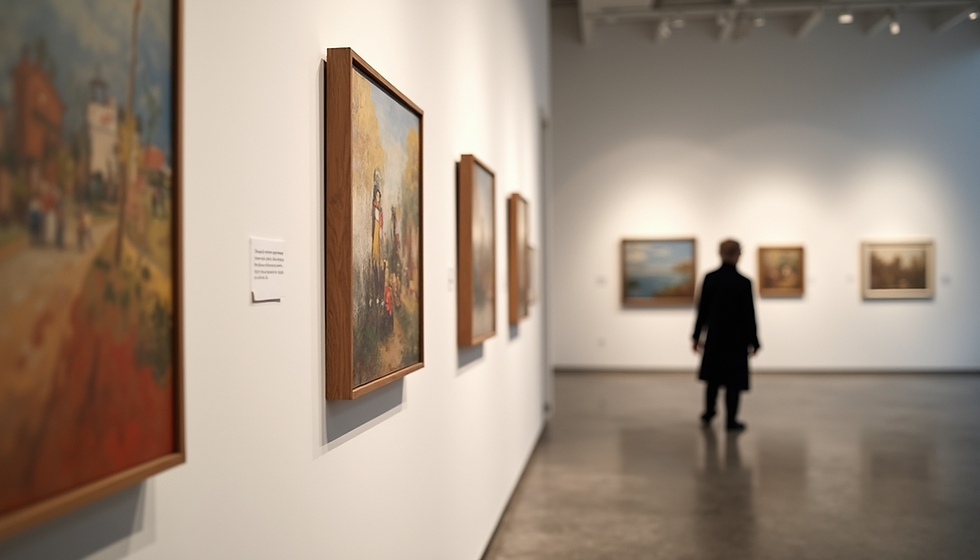
Visit local galleries and museums: Many institutions offer free or discounted entry days. Take time to observe and reflect on the artworks.
Attend art workshops or talks: These events provide insights into artistic techniques and concepts.
Explore online platforms: Websites and virtual tours make modern art accessible worldwide.
Incorporate art into your environment: Display prints or sculptures at home or work to inspire creativity.
Support emerging artists: Purchase original pieces or prints to encourage new talent.
By actively participating in the art community, individuals can deepen their appreciation and contribute to the cultural landscape.
The Lasting Impact of Modern Art on Future Generations
The significance of modern art extends beyond the present moment. It lays the foundation for future artistic innovation and cultural dialogue. As society continues to evolve, so will the ways artists express ideas and challenge perceptions.
Encouraging young people to engage with modern art fosters creativity, critical thinking, and cultural awareness. Educational programs that integrate art into curricula help develop these skills, preparing students for a dynamic world.
Furthermore, preserving and promoting modern art ensures that diverse voices and stories are remembered. It creates a rich cultural heritage that inspires ongoing exploration and understanding.
In essence, modern art is not just a reflection of today’s world but a catalyst for tomorrow’s possibilities. Embracing its importance enriches both individual lives and society as a whole.
For those interested in exploring more about modern art, numerous resources and collections are available online to inspire and educate.


Comments