
Unveiling the Essence of Modern Artistic Movements

Art has always been a reflection of society, culture, and human emotion. Over the centuries, artistic expressions have evolved, mirroring the changing worldviews and technological advancements. Among these evolutions, modern artistic movements stand out as a pivotal chapter in the history of creativity. They challenged traditional norms and opened new avenues for artists to express their innermost thoughts and societal critiques. This exploration delves into the essence of these movements, their defining characteristics, and their lasting impact on the art world.
Exploring the Landscape of Modern Artistic Movements
Modern artistic movements emerged primarily in the late 19th and early 20th centuries. These movements were characterized by a break from classical and traditional art forms, embracing innovation and experimentation. Some of the most influential movements include Impressionism, Cubism, Surrealism, and Abstract Expressionism.
Impressionism focused on capturing light and natural forms with loose brushwork and vibrant colours. Artists like Claude Monet and Edgar Degas sought to depict moments of everyday life with an emphasis on atmosphere.
Cubism, pioneered by Pablo Picasso and Georges Braque, deconstructed objects into geometric shapes, presenting multiple perspectives simultaneously.
Surrealism explored the unconscious mind, dreams, and fantasy, with Salvador Dalí and René Magritte creating bizarre and thought-provoking imagery.
Abstract Expressionism emphasized spontaneous, automatic, or subconscious creation, with artists like Jackson Pollock using dynamic brushstrokes and unconventional techniques.
These movements not only redefined aesthetics but also questioned the role of art in society, encouraging viewers to engage with artworks on a deeper intellectual and emotional level.
What Defines Modern Art?
Understanding what defines modern art requires looking beyond the surface. It is not just about the time period but the philosophy and approach that artists adopted. Modern art is characterized by:
Innovation and Experimentation: Artists broke away from realistic representation to explore new techniques, materials, and concepts.
Subjectivity and Individualism: There was a focus on personal expression and the artist’s inner world rather than objective reality.
Rejection of Tradition: Modern art often challenged established norms, including classical composition, perspective, and subject matter.
Emphasis on Concept: The idea behind the artwork became as important as the visual outcome, paving the way for conceptual art.
Diverse Styles and Media: From painting and sculpture to collage and mixed media, modern art embraced a wide range of forms.
For example, Pablo Picasso’s Les Demoiselles d’Avignon broke conventional perspective rules, while Marcel Duchamp’s Fountain questioned the very definition of art by presenting a urinal as an artwork.

The Impact of Modern Artistic Movements on Contemporary Art
The influence of modern artistic movements extends far beyond their own era. Contemporary artists continue to draw inspiration from the principles and techniques developed during this transformative period. The legacy of these movements can be seen in:
Mixed Media and Installation Art: Combining various materials and creating immersive environments.
Digital Art and New Media: Using technology to push creative boundaries.
Conceptual Art: Prioritizing ideas and messages over traditional aesthetics.
Global Artistic Dialogue: Encouraging cross-cultural influences and diverse perspectives.
For instance, contemporary artists might use abstract expressionist techniques to convey emotional intensity or surrealist elements to explore identity and dreams. The freedom to experiment and challenge conventions remains a cornerstone of artistic practice today.

How to Appreciate and Engage with Modern Artistic Movements
Engaging with modern artistic movements can be a rewarding experience that enhances your understanding and enjoyment of art. Here are some practical tips:
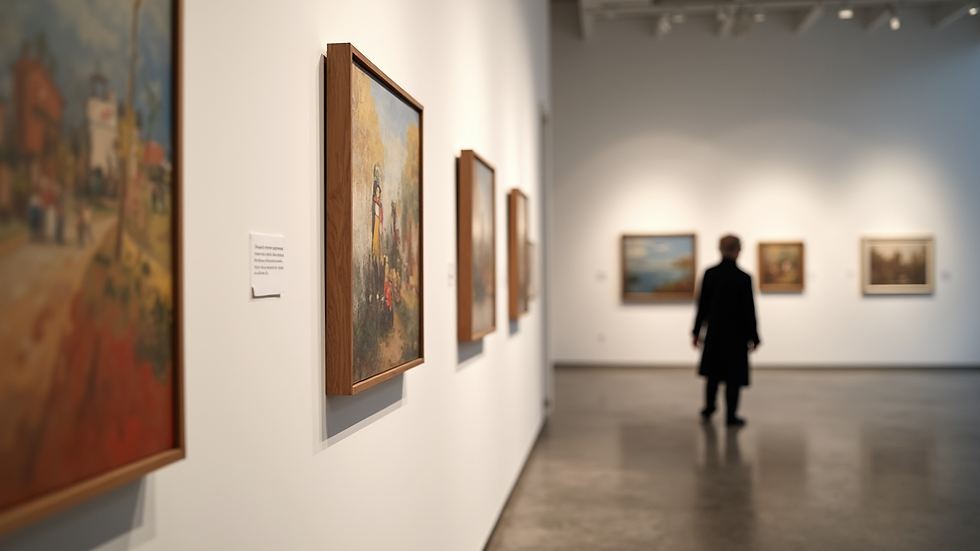
Visit Museums and Galleries: Seeing artworks in person allows you to appreciate texture, scale, and detail.
Learn the Context: Understanding the historical and cultural background enriches your interpretation.
Explore Different Styles: Don’t limit yourself to one movement; explore various styles to see how they contrast and complement each other.
Participate in Workshops: Hands-on experiences can deepen your appreciation of artistic techniques.
Read and Research: Books, documentaries, and online resources provide valuable insights.
By actively engaging with art, you develop a personal connection and a more nuanced perspective. Whether you are an art enthusiast or a casual observer, exploring modern artistic movements opens up a world of creativity and expression.
Embracing the Spirit of Innovation in Art Today
The spirit of innovation that defined modern artistic movements continues to inspire artists and audiences alike. Embracing this spirit means being open to new ideas, questioning norms, and valuing creativity in all its forms. Whether through traditional media or cutting-edge technology, the essence of these movements encourages us to see the world differently and express our unique visions.
For those interested in exploring or collecting art, platforms like modern art offer access to a diverse range of contemporary works that embody this innovative spirit. Engaging with such art not only supports artists but also enriches your environment with meaningful and thought-provoking pieces.
By understanding and appreciating the essence of modern artistic movements, we connect with a vital part of cultural history and continue the journey of artistic discovery.


Comments