
How Art Shapes Modern Lifestyle Choices

Updated: Sep 15, 2025
Art has always been a powerful force in human culture, influencing how we see the world and express ourselves. In today's fast-paced society, art continues to shape modern lifestyle choices in profound ways. From the design of our living spaces to the clothes we wear and the technology we use, art is everywhere. This article explores how art impacts our daily lives, encourages creativity, and even affects our wellbeing.
The Role of Art in Modern Lifestyle
Art is no longer confined to galleries and museums. It has become an integral part of modern lifestyle, influencing everything from interior design to fashion trends. People are increasingly seeking ways to incorporate artistic elements into their homes and personal style to create environments that reflect their identity and values.
For example, minimalist art styles have inspired many to adopt simpler, clutter-free living spaces. This trend promotes calmness and focus, which is essential in today’s busy world. On the other hand, vibrant and abstract art pieces are used to energize spaces and stimulate creativity.
In fashion, art influences patterns, colors, and textures. Designers often draw inspiration from famous artworks or cultural motifs, making clothing a form of wearable art. This fusion allows individuals to express their personality and mood through their attire.
Moreover, art impacts technology design. User interfaces and product aesthetics are crafted with artistic principles to enhance user experience and satisfaction. This blend of function and beauty shows how art shapes not only what we use but how we feel about it.

How Art in Modern Lifestyle Enhances Wellbeing and Creativity
Incorporating art into daily life has tangible benefits for mental health and creativity. Studies show that exposure to art can reduce stress, improve mood, and boost cognitive function. This is why many workplaces and public spaces now feature art installations to create more inviting and inspiring environments.
Engaging with art also encourages creative thinking. Whether it’s painting, crafting, or simply appreciating art, these activities stimulate the brain’s problem-solving and emotional processing areas. This can lead to improved innovation and adaptability in personal and professional life.
To bring art into your lifestyle, consider these practical tips:
Create an art corner at home: Dedicate a small space for painting, drawing, or crafting.
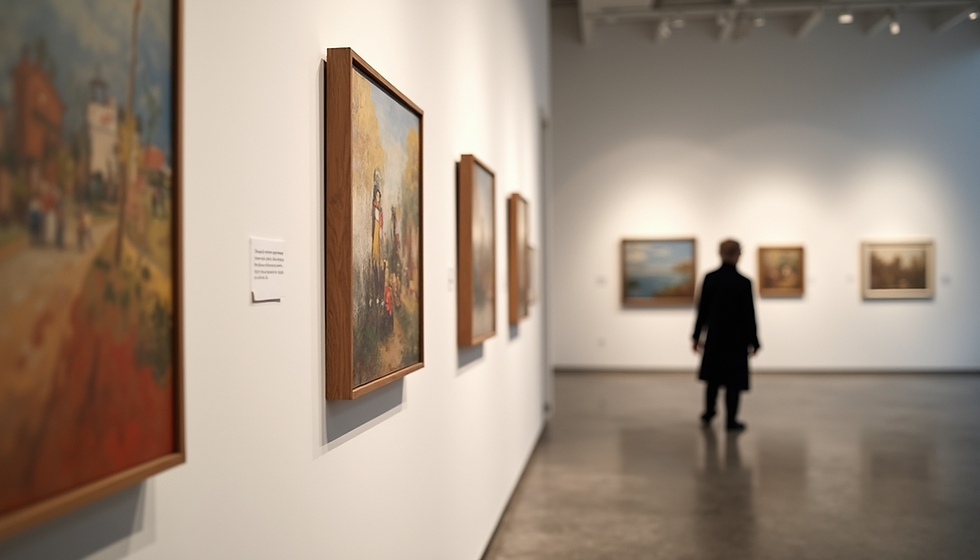
Visit local art exhibitions: Support artists and gain fresh inspiration.
Use art-inspired decor: Choose furniture and accessories that reflect artistic styles you love.
Wear art-inspired fashion: Select clothing that features unique patterns or designs.
Incorporate art in digital spaces: Customize your devices with artistic wallpapers and themes.
These simple steps can make art a regular part of your routine, enhancing your overall quality of life.

Is art and design a level hard?
Many students and enthusiasts wonder if pursuing art and design is difficult. The answer depends on individual passion, dedication, and the specific area of focus. Art and design require a combination of creativity, technical skills, and critical thinking.
Challenges often include mastering various techniques, understanding art history, and developing a unique style. However, with consistent practice and guidance, these challenges become opportunities for growth.
For those considering a formal education in art and design, it’s important to:
Choose the right program: Look for courses that balance theory and practical work.
Build a strong portfolio: Showcase your best work to demonstrate your skills.
Seek feedback: Learn from peers and mentors to improve.
Stay curious: Explore different mediums and styles to find your niche.
Remember, the difficulty of art and design is subjective. Passion and perseverance often outweigh initial struggles.

The Influence of Art on Sustainable and Ethical Lifestyle Choices
Modern consumers are increasingly aware of sustainability and ethics in their lifestyle choices. Art plays a significant role in promoting these values by raising awareness and inspiring change.
Artists use their work to highlight environmental issues, social justice, and cultural heritage. This can motivate people to adopt more responsible habits, such as choosing eco-friendly products or supporting fair trade.
In design, sustainable materials and processes are becoming more popular. For example, furniture made from reclaimed wood or clothing crafted from organic fabrics reflect a commitment to the planet. These choices are often influenced by artistic vision and creativity.
To integrate sustainability into your lifestyle through art, consider:
Supporting artists and brands that prioritize ethical practices.
Choosing handmade or locally produced art and crafts.
Participating in community art projects focused on environmental themes.
Using art to express your values and encourage others to do the same.
By aligning art with sustainability, you contribute to a healthier planet and a more conscious society.

How to Stay Connected with Art Trends and Develop Your Personal Style
Keeping up with art trends can help you stay inspired and refine your personal style. The internet offers countless resources, including blogs, social media, and online galleries.
One valuable resource is the art and design blog, which provides insights into contemporary art movements, artist profiles, and design tips. Following such platforms can help you discover new ideas and techniques.
To develop your personal style:
Experiment with different art forms and styles.
Reflect on what resonates with you emotionally and aesthetically.
Combine elements from various influences to create something unique.
Update your living space and wardrobe gradually to reflect your evolving taste.
Remember, art is a journey of self-expression. Embrace change and enjoy the process of discovering what art means to you.
Art is a dynamic force that shapes modern lifestyle choices in many ways. From enhancing wellbeing and creativity to promoting sustainability and personal expression, art enriches our lives. By actively engaging with art and design, you can create a lifestyle that is not only beautiful but also meaningful and fulfilling.


Comments